
Ogni estate a un certo punto le storie di ig italia cominciano a riempirsi di vacanze degli altri.
Arriva un tramonto dalla Sardegna. Poi una signora che balla alla festa patronale di un paese di cui fino a quel momento ignoravamo l’esistenza. Un tuffo in Calabria. Una passeggiata sulle Dolomiti. Una tavolata in Puglia. Una processione in Sicilia. Qualcuno che mangia un gelato alle undici di sera, qualcuno che gioca a bocce sulla spiaggia, qualcuno che aspetta l’eclissi, i più coraggiosi che aspettano l’alba e qualcuno che, molto più saggiamente, alle tre del pomeriggio dorme sotto un ombrellone.
Quest’anno ne sono arrivate più di 15.000.
Sono i video e le fotografie che ci avete mandato per Vacanze Italiane, il contest con cui da otto estati proviamo a raccontare le vacanze nel nostro Paese attraverso gli occhi di chi le sta vivendo. Ne abbiamo ripostati tantissimi, molti sono ancora nelle nostre storie in evidenza e quelli che vedete qui sono soltanto una piccolissima parte.
La cosa interessante è che, guardandoli uno dopo l’altro, ci siamo accorti che in questi anni le vacanze italiane sono cambiate parecchio. E contemporaneamente non sono cambiate quasi per niente.
Sono diventate sicuramente più brevi. Più distribuite durante l’estate. Si parte magari per pochi giorni, si torna, si riparte. Abbiamo scoperto i borghi, riscoperto la montagna, cominciato a cercare posti meno affollati e trasformato qualsiasi luogo sufficientemente bello in qualcosa da fotografare. Ma il mare continua a essere il grande protagonista delle nostre estati. Anche nel 2026, secondo Federalberghi, quasi nove italiani su dieci tra quelli che hanno programmato una vacanza estiva hanno scelto di restare in Italia e, tra loro, il mare rimane nettamente la destinazione preferita.
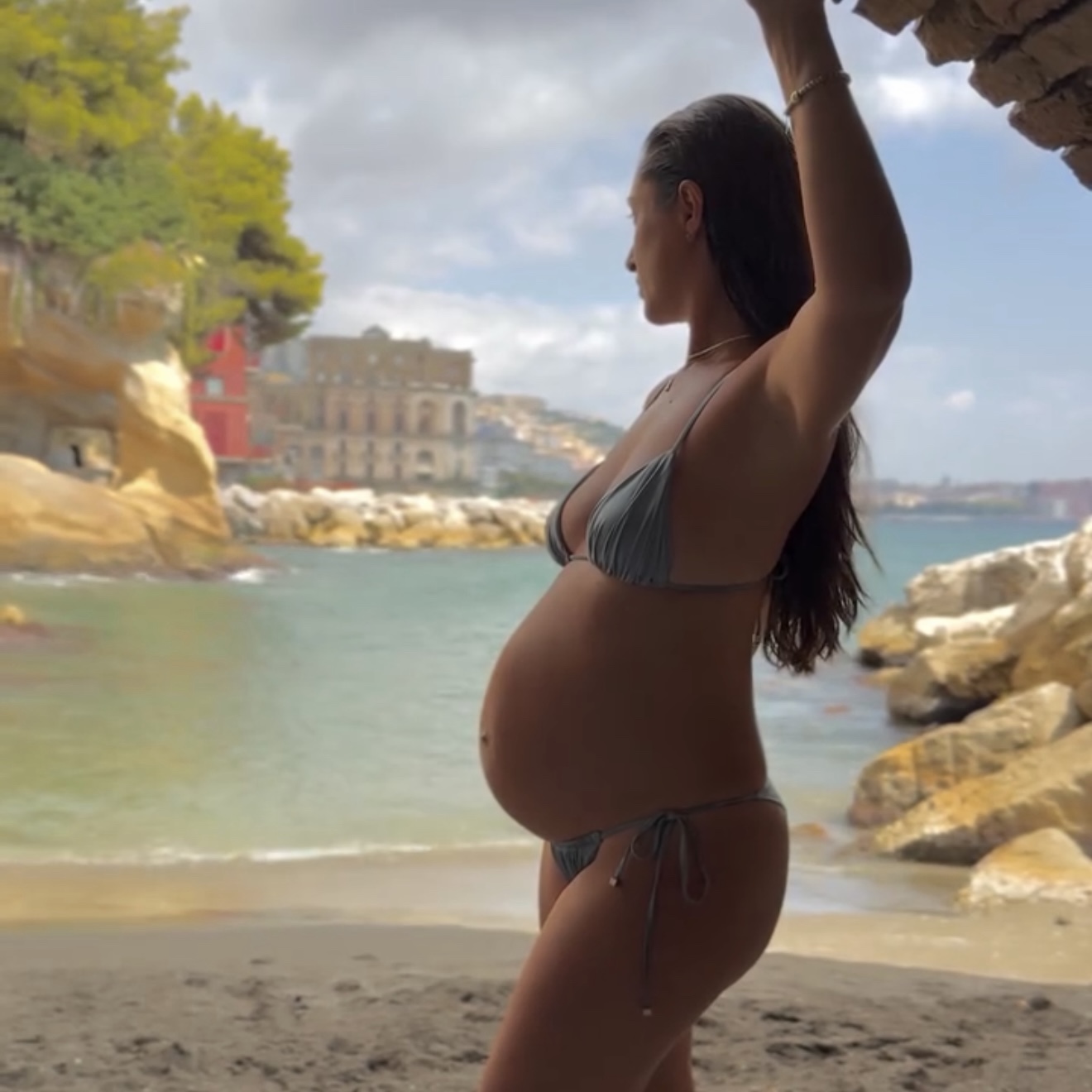
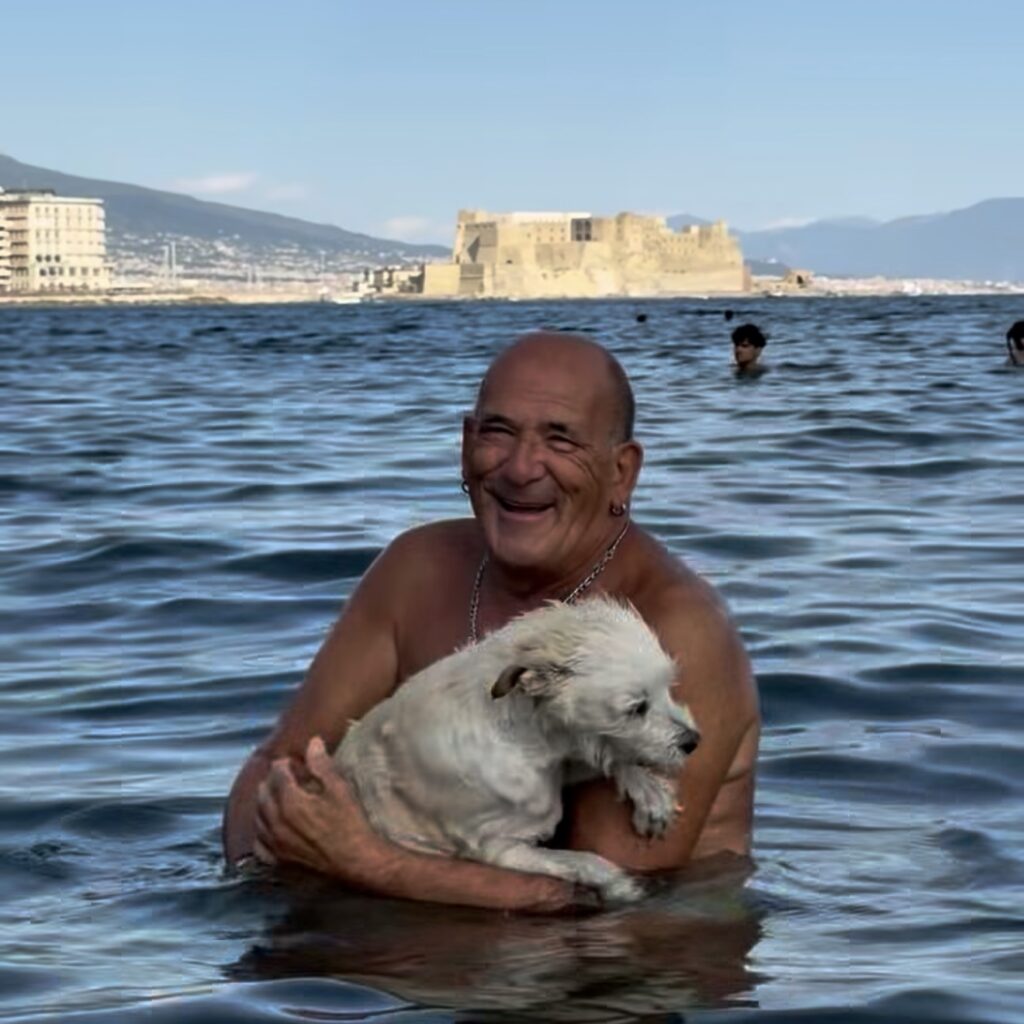
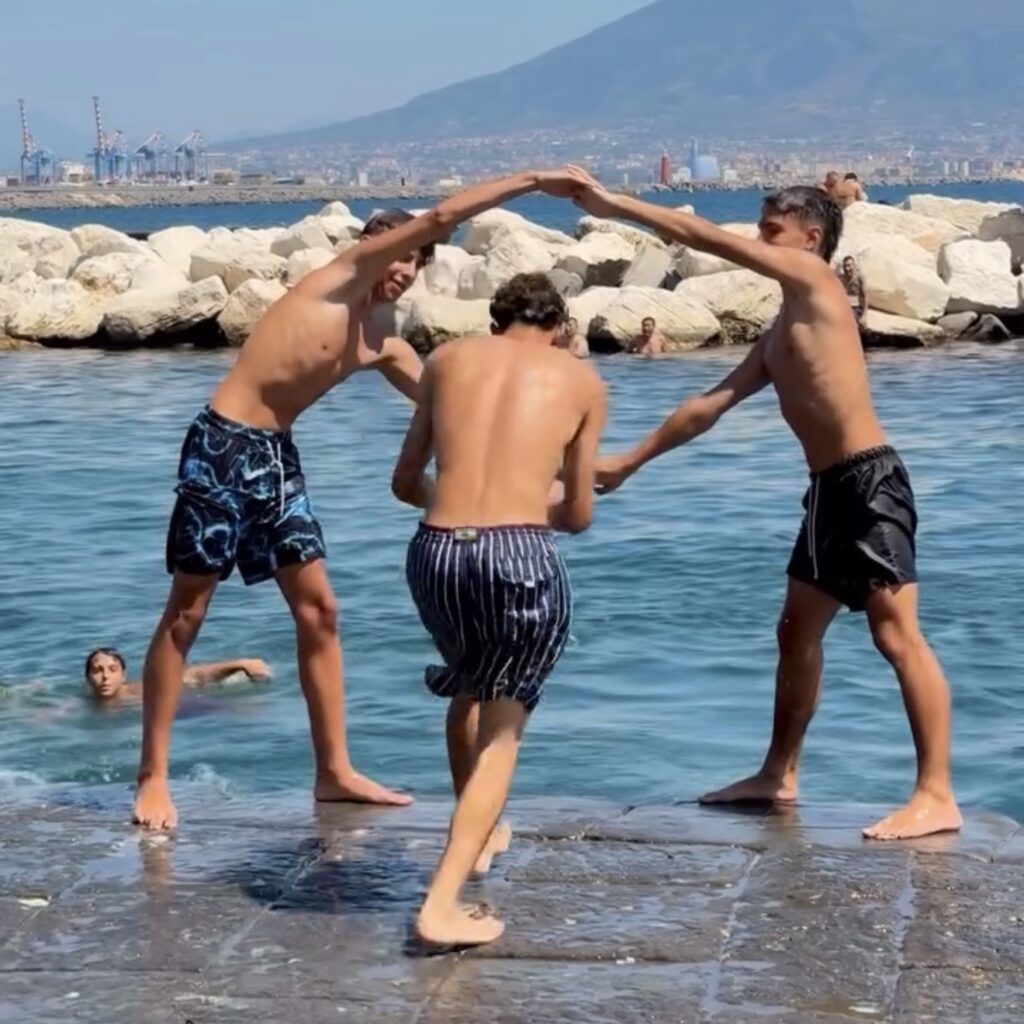
Solo che le vacanze italiane non sono mai state soltanto una destinazione. Sono un modo di stare insieme. E forse è questa la cosa che emerge più chiaramente dalle migliaia di immagini che ci avete mandato. Ci sono ragazzi che si tuffano dentro ad un cuore e signori che probabilmente frequentano lo stesso pezzo di spiaggia da quarant’anni. Ci sono bambini, nonni, donne incinte, comitive, coppie, famiglie. Ci sono le sagre dove si mangia su tavoli di plastica, le luminarie accese nelle piazze, le bande, le processioni, le feste patronali, i fuochi d’artificio, i rifugi di montagna, le grigliate di Ferragosto e quelle sere in cui tutto il paese sembra essere uscito di casa contemporaneamente. Tradizioni che continuano a essere una parte fondamentale dell’estate italiana, da nord a sud.
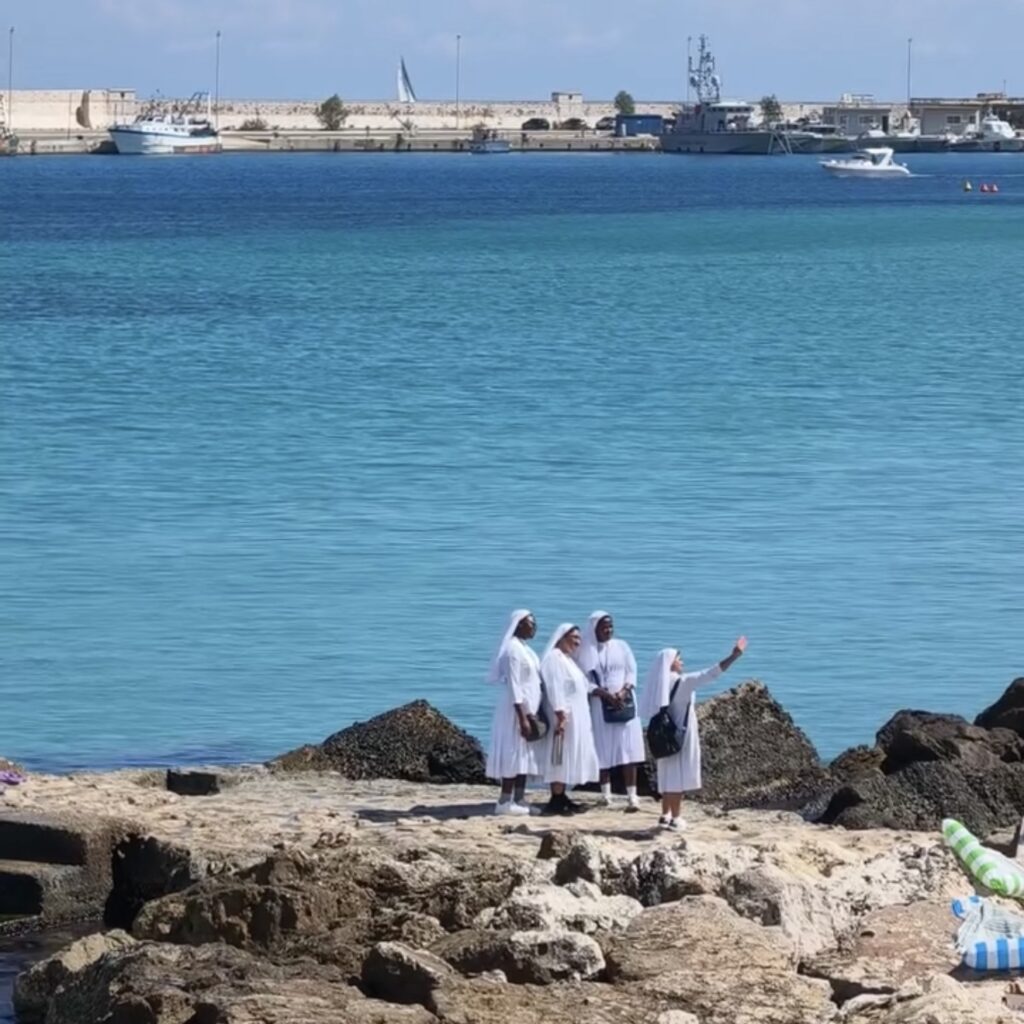
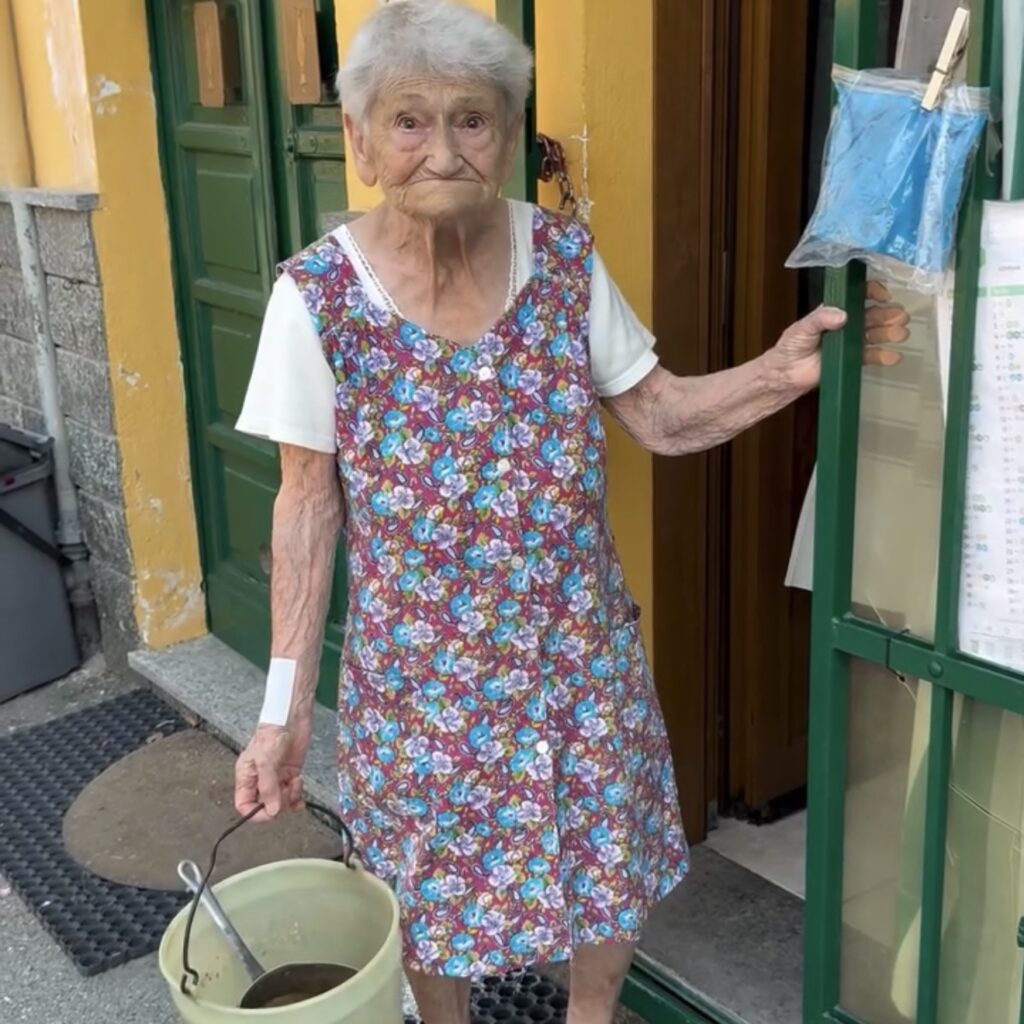
E poi naturalmente ci sono le cose che nessun ufficio del turismo metterebbe mai in una brochure. Una nonna sulla porta di casa che ci spiega cosa è il ferragosto. Tre uomini in costume che cantano a Margellina. Un ragazzo che si fa scolare un limoncello addosso. Quattro suore che si fanno una fotografia sugli scogli. Una ragazza che prende il sole dove probabilmente non esiste alcuna definizione urbanistica di spiaggia.
Forse Vacanze Italiane in questi anni è diventato proprio questo. Non un catalogo dei posti più belli d’Italia. Per quello esistono già milioni di fotografie perfette.
Ma un piccolo archivio di come gli italiani vivono l’estate. Perché tra vent’anni probabilmente guarderemo questi video come oggi guardiamo quelli delle vacanze degli anni Sessanta: sorrideremo dei costumi, delle mode e di tutte quelle cose che nel frattempo saranno cambiate. Le vacanze di allora erano il mese intero di villeggiatura, le città vuote, le spiagge affollate, le tende, i juke-box e le prime grandi partenze di massa.
Ma forse ci accorgeremo anche che alcune cose saranno rimaste esattamente uguali. Il rumore delle posate durante una cena all’aperto. Una madre che urla a qualcuno di uscire dall’acqua. Gli amici che dicono “ultimo bagno” e poi ne fanno altri tre. Una piazza piena per la festa del paese. Il sole che scende sul mare mentre nessuno ha ancora voglia di tornare a casa.
Cambieranno le vacanze.
Cambieremo noi.
Ma probabilmente continueremo a chiamare estate quel momento dell’anno in cui, per qualche giorno, abbiamo finalmente un po’ più di tempo per stare insieme.
Grazie a tutti, ci vediamo il prossimo anno.
Foto di @mojofrancesco
———
#italia
Every summer, at some point, IG Italia’s stories start filling up with other people’s holidays.
A sunset arrives from Sardinia. Then a woman dancing at the patron saint festival of a town we didn’t even know existed until that moment. A dive into the sea in Calabria. A walk through the Dolomites. A long table in Puglia. A procession in Sicily. Someone eating gelato at eleven at night, someone playing bocce on the beach, someone waiting for the eclipse, the bravest ones waiting for sunrise, and someone who, much more wisely, is asleep under a beach umbrella at three in the afternoon.
This year, more than 15,000 arrived.
They are the videos and photographs you sent us for Vacanze Italiane, the contest through which, for eight summers now, we have tried to tell the story of holidays in our country through the eyes of the people actually living them. We reposted so many of them, many are still in our highlights, and the ones you see here are only a tiny selection.
The interesting thing is that, watching them one after another, we realized that Italian holidays have changed quite a lot over the years. And at the same time, they have barely changed at all.
They have certainly become shorter. More spread out across the summer. Maybe you leave for a few days, come home, then leave again. We discovered small villages, rediscovered the mountains, started looking for less crowded places and turned any place beautiful enough into something worth photographing. But the sea continues to be the great protagonist of our summers. Even in 2026, according to Federalberghi, almost nine out of ten Italians who planned a summer holiday chose to stay in Italy and, among them, the seaside remains by far the favorite destination.
Except Italian holidays have never been just about a destination. They are a way of being together. And perhaps this is what emerges most clearly from the thousands of images you sent us. There are boys diving through a heart and men who have probably been coming to the same stretch of beach for forty years. There are children, grandparents, pregnant women, groups of friends, couples, families. There are village festivals where people eat at plastic tables, illuminations glowing in the squares, marching bands, processions, patron saint festivals, fireworks, mountain huts, Ferragosto barbecues and those evenings when it seems as though the entire town has stepped outside at exactly the same time. Traditions that continue to be a fundamental part of the Italian summer, from north to south.
And then, of course, there are the things no tourist board would ever put in a brochure. A grandmother standing in her doorway explaining to us what Ferragosto is. Three men in swimsuits singing in Mergellina. A guy having limoncello poured all over him. Four nuns taking a photo together on the rocks. A girl sunbathing somewhere that probably has no possible urban-planning definition of a beach.
Perhaps this is exactly what Vacanze Italiane has become over the years. Not a catalogue of Italy’s most beautiful places. There are already millions of perfect photographs for that.
But a small archive of how Italians live their summers. Because twenty years from now, we will probably watch these videos the way we watch footage of holidays from the 1960s today: we will smile at the swimsuits, the fashions and all those things that will have changed in the meantime. Back then, holidays meant an entire month away, empty cities, crowded beaches, tents, jukeboxes and the first great waves of mass holiday travel.
But perhaps we will also realize that some things have remained exactly the same. The clatter of cutlery during dinner outdoors. A mother shouting at someone to get out of the water. Friends saying “one last swim” and then going back in three more times. A square packed with people for the town festival. The sun setting over the sea while nobody is quite ready to go home yet.
Holidays will change.
We will change.
But we will probably continue to call summer that time of year when, for a few days, we finally have a little more time to be together.
Thank you, everyone. See you next year.


Comments are closed.