
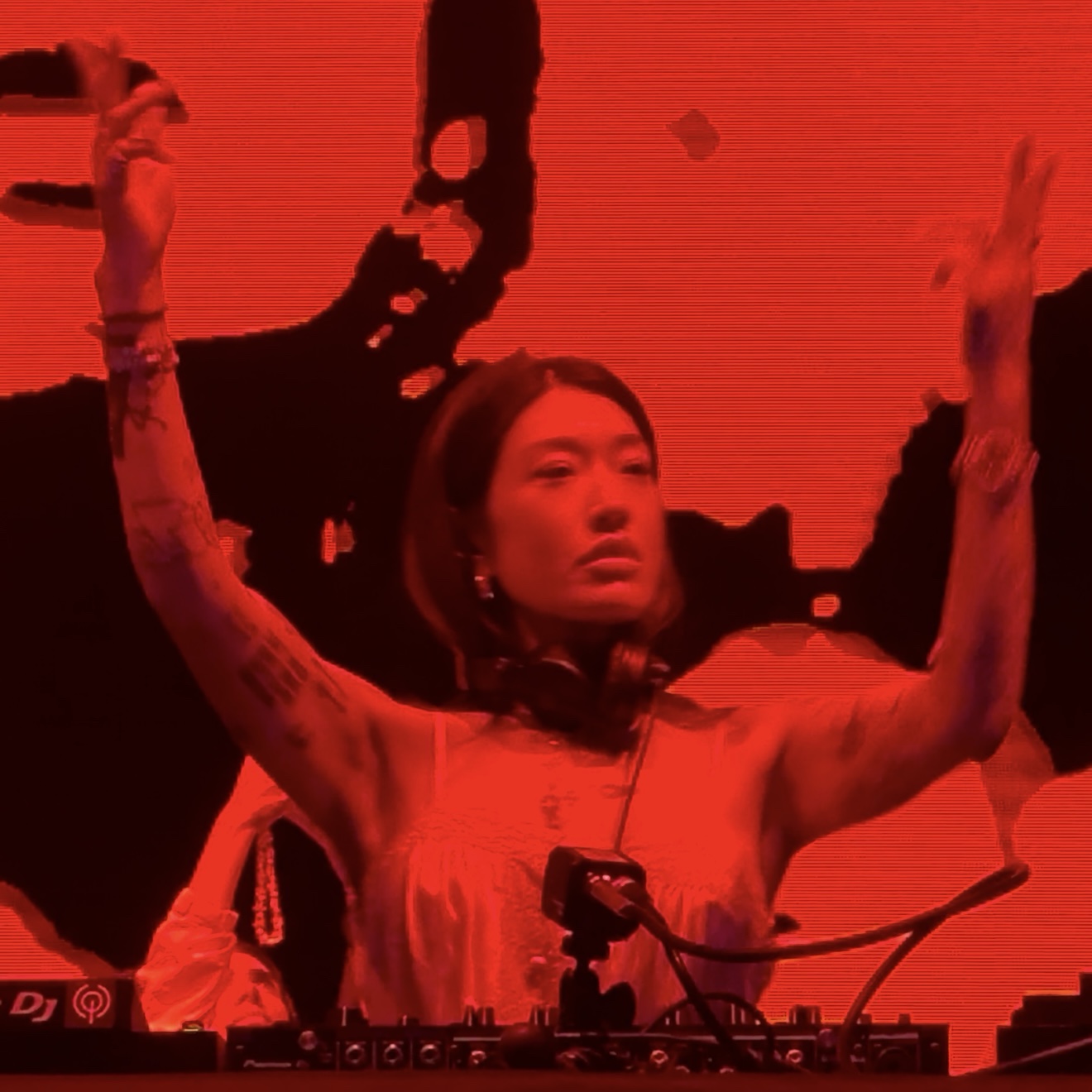
Alla fine di un festival restano sempre delle immagini. Non necessariamente quelle del palco.
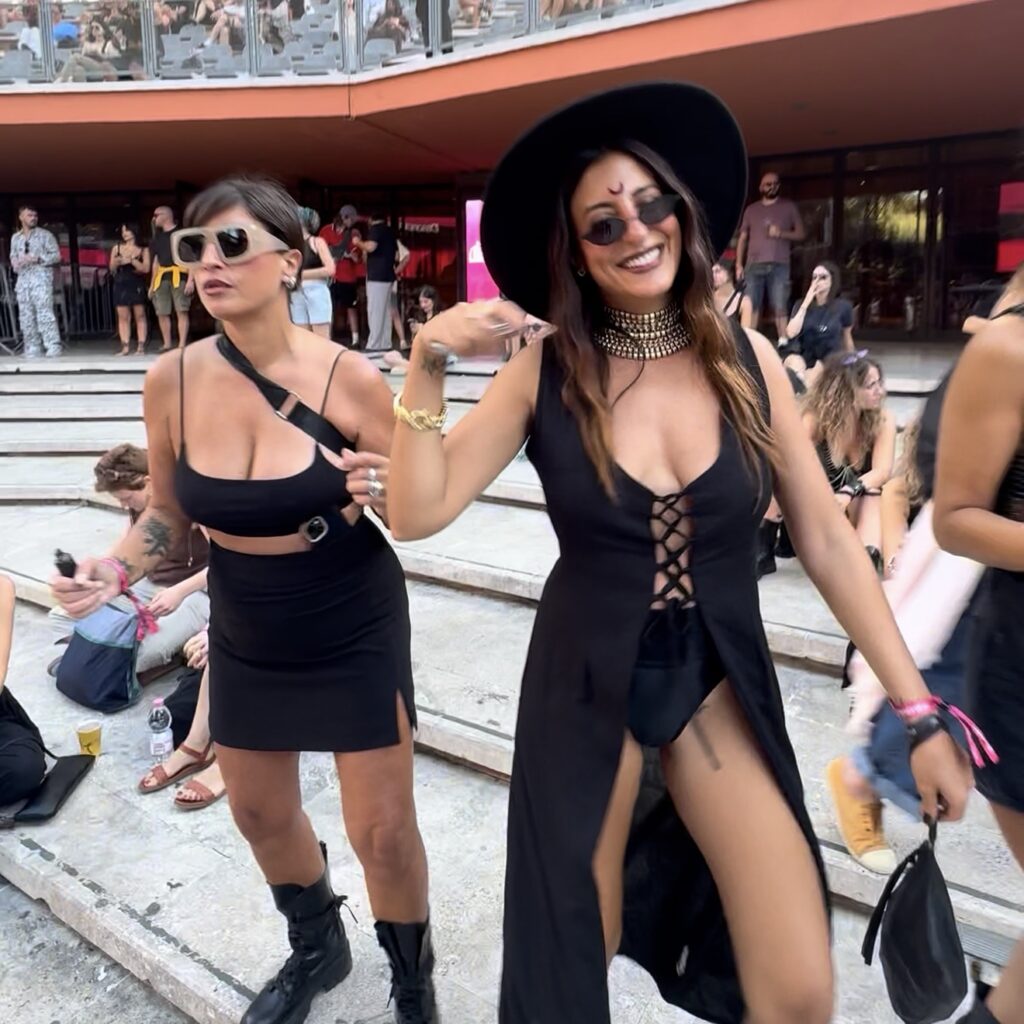
Resta una ragazza che aspetta qualcuno all’ingresso guardando continuamente il telefono. Restano due persone che ballano come se intorno non ci fosse nessuno. Una mano alzata. Un applauso. Qualcuno con gli occhi chiusi. Due che si baciano. Uno sconosciuto che mette un braccio sulle spalle di un altro sconosciuto e, per qualche minuto, diventano amici.
Poi naturalmente c’è la musica.
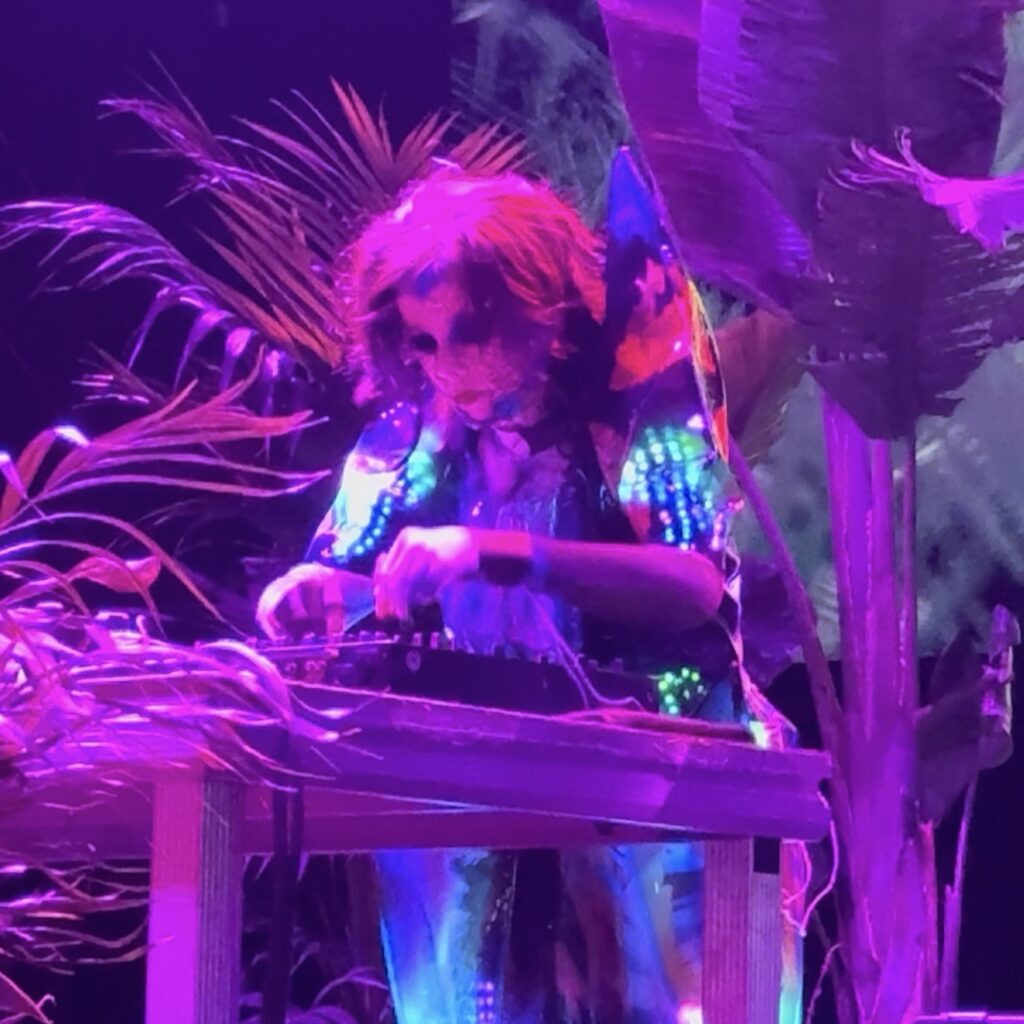
E a Dissonanze 2026 ce n’è stata parecchia.
Per due giorni l’Auditorium Parco della Musica di Roma ha cambiato frequenza. Dalla Cavea al Park, fino all’Hidden, si passava da un suono all’altro, da un pubblico all’altro, spesso senza sapere esattamente dove si sarebbe finiti. Björk è arrivata in scena con un dj set che mescolava mondi lontanissimi, vestita quasi come se fosse appena atterrata da un altro pianeta. Poco dopo Peggy Gou ha trasformato la Cavea in una pista da ballo. E poi Floating Points con Daphni, Donato Dozzy, Job Jobse, Skream & Benga, Kelly Lee Owens, Ron Trent, Derrick Carter e molti altri.
Ma forse la cosa più bella di Dissonanze succedeva qualche metro più indietro.
Tra la gente.
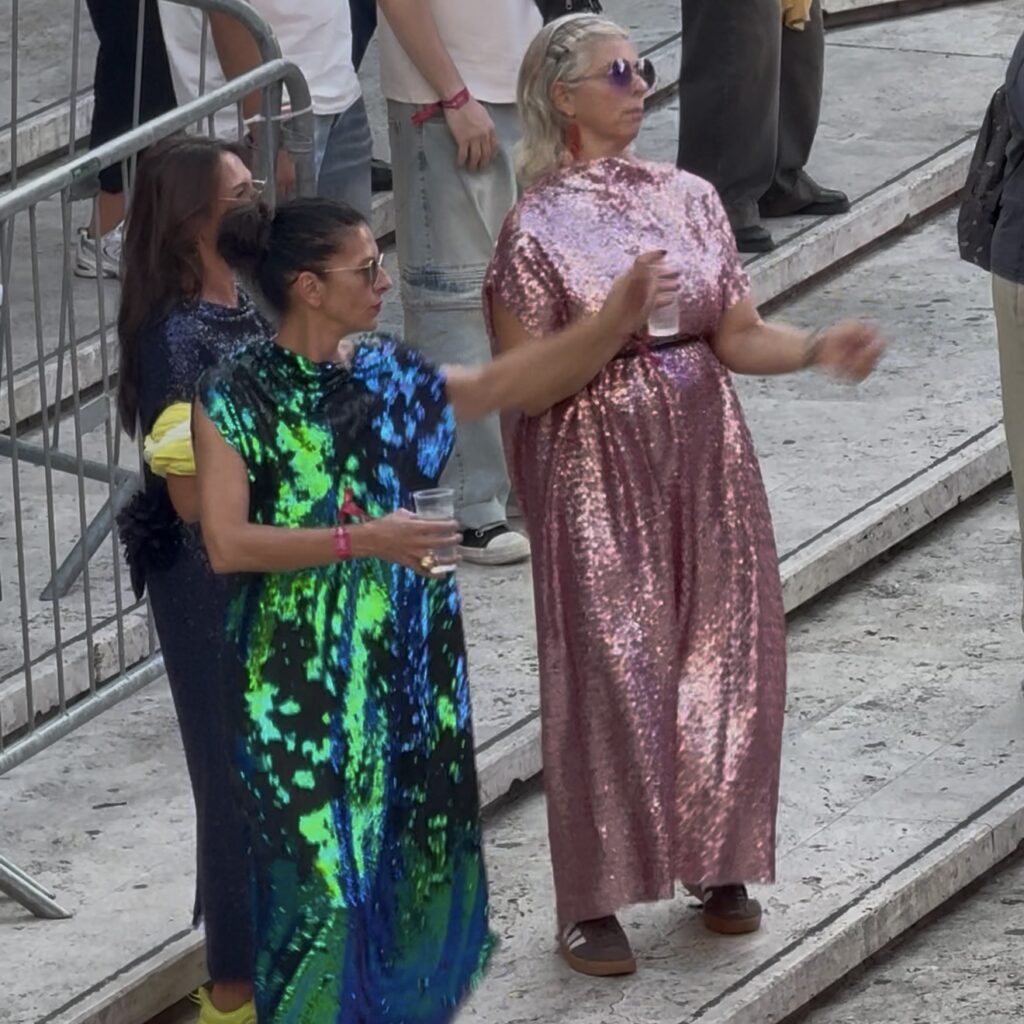
Perché un festival, visto da vicino, è fatto soprattutto di esseri umani che per qualche ora decidono di fare la stessa cosa nello stesso posto.
Aspettare. Ballare. Sudare. Ridire. Applaudire. Lasciarsi andare.
In un periodo storico in cui passiamo buona parte delle nostre giornate a guardarci attraverso uno schermo, ci sono ancora posti dove migliaia di persone scelgono di stare fisicamente insieme. La musica, in fondo, è soltanto il pretesto più bello che abbiamo inventato per farlo.
Forse è questo che significa davvero fare community.
Non avere tutti gli stessi gusti. Non vestirsi allo stesso modo. Non conoscere le stesse canzoni.
Ma ritrovarsi nello stesso posto e, per qualche ora, sentire qualcosa insieme.
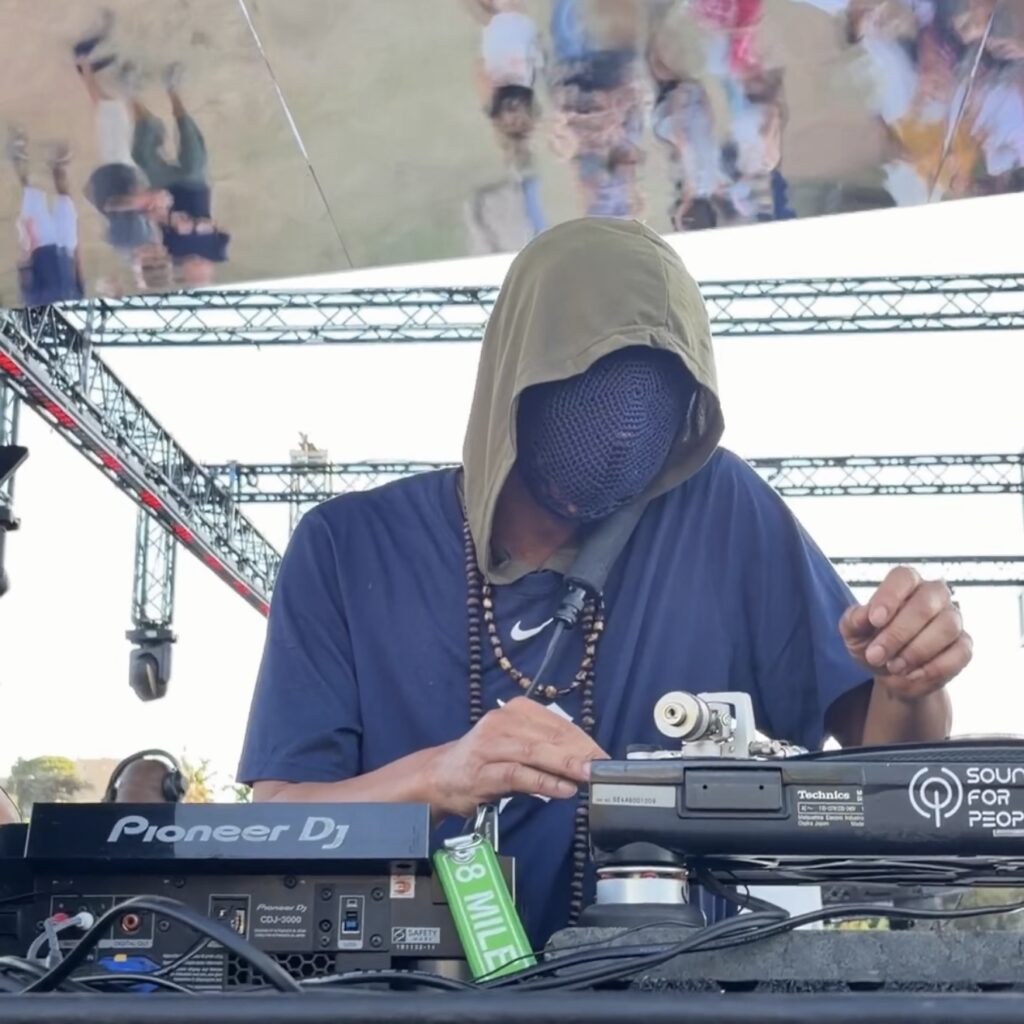
Dissonanze questa cosa la conosce bene. Il festival nasce a Roma nel 2000 da un’idea di Giorgio Mortari, attraversa per dieci anni luoghi diversissimi della città – ex fabbriche, musei, stazioni, palazzi – portando l’elettronica dove spesso nessuno pensava potesse arrivare. Mortari aveva una frase che ripeteva spesso: “One day you will understand”.
Un giorno capirete.
Ventisei anni dopo, guardando queste immagini, forse qualcosa abbiamo capito.
Abbiamo capito che la musica può essere sofisticatissima e allo stesso tempo semplicissima.
Può essere Björk che costruisce mondi sonori impossibili e può essere una ragazza che, in mezzo alla folla, chiude gli occhi e comincia a ballare.
Può essere ricerca, tecnologia, sperimentazione.
Oppure può essere semplicemente il momento in cui ti giri verso la persona accanto a te, sorridi e non hai bisogno di dire niente.
Grazie a illimity Banca Ifis, che ha sostenuto Dissonanze – New Chapter 2026, abbiamo avuto la possibilità di stare in mezzo a tutto questo e provare a raccontarlo.
Abbiamo filmato artisti straordinari.
Ma soprattutto abbiamo filmato persone.
Quelle che aspettavano.
Quelle che ballavano.
Quelle che applaudivano.
Quelle che sorridevano.
Quelle che si baciavano.
Quelle che, almeno per due giorni, hanno deciso di lasciarsi andare. E forse alla fine è proprio questa la cosa che resta.
Non ricordare soltanto chi stava suonando. Ricordare con chi eravamo mentre succedeva.
#ig_italia
Foto @ig_italia
————
At the end of a festival, there are always images that stay with you. Not necessarily the ones from the stage. There’s a girl waiting for someone at the entrance, constantly checking her phone. Two people dancing as if nobody else were there. A hand in the air. Applause. Someone with their eyes closed. Two people kissing. A stranger putting an arm around another stranger’s shoulders and, for a few minutes, becoming friends. Then, of course, there’s the music. And at Dissonanze 2026, there was plenty of it. For two days, Rome’s Auditorium Parco della Musica changed frequency. From the Cavea to the Park and the Hidden stage, you moved from one sound to another, from one crowd to another, often without knowing exactly where you would end up. Björk took to the stage with a DJ set blending seemingly distant worlds, dressed almost as if she had just landed from another planet. Soon after, Peggy Gou turned the Cavea into a dance floor. And then Floating Points with Daphni, Donato Dozzy, Job Jobse, Skream & Benga, Kelly Lee Owens, Ron Trent, Derrick Carter and many more. But perhaps the most beautiful thing about Dissonanze was happening a few metres further back. Among the people. Because when you look closely, a festival is mostly made of human beings who, for a few hours, decide to do the same thing in the same place. Wait. Dance. Sweat. Laugh. Applaud. Let go. At a time when we spend so much of our lives looking at one another through a screen, there are still places where thousands of people choose to physically be together. Music, after all, may simply be the most beautiful excuse we have ever invented to do it. Perhaps this is what being a community really means. Not having the same taste. Not dressing the same way. Not knowing the same songs. But finding ourselves in the same place and, for a few hours, feeling something together. Dissonanze knows something about that. The festival was born in Rome in 2000 from an idea by Giorgio Mortari. For ten years it moved through completely different places around the city – former factories, museums, railway stations, historic buildings – bringing electronic music into spaces where, until then, few people would ever have imagined finding it. Mortari had a phrase he liked to repeat: “One day you will understand.”
One day, you’ll get it.
Twenty-six years later, looking at these images, perhaps we finally understand something. We understand that music can be incredibly sophisticated and incredibly simple at the very same time. It can be Björk building impossible sonic worlds, and it can be a girl standing in the middle of a crowd who closes her eyes and starts to dance. It can be research, technology, experimentation. Or it can simply be that moment when you turn towards the person next to you, smile, and there is nothing you need to say. Thanks to illimity Banca Ifis, which supported Dissonanze – New Chapter 2026, we had the chance to stand right in the middle of all this and try to tell its story. We filmed extraordinary artists. But above all, we filmed people. The ones who were waiting. The ones who were dancing. The ones who were applauding. The ones who were smiling. The ones who were kissing. The ones who, at least for two days, decided to let themselves go. And perhaps, in the end, that is what remains.
Not only remembering who was playing. Remembering who we were with while it was happening.


Comments are closed.