
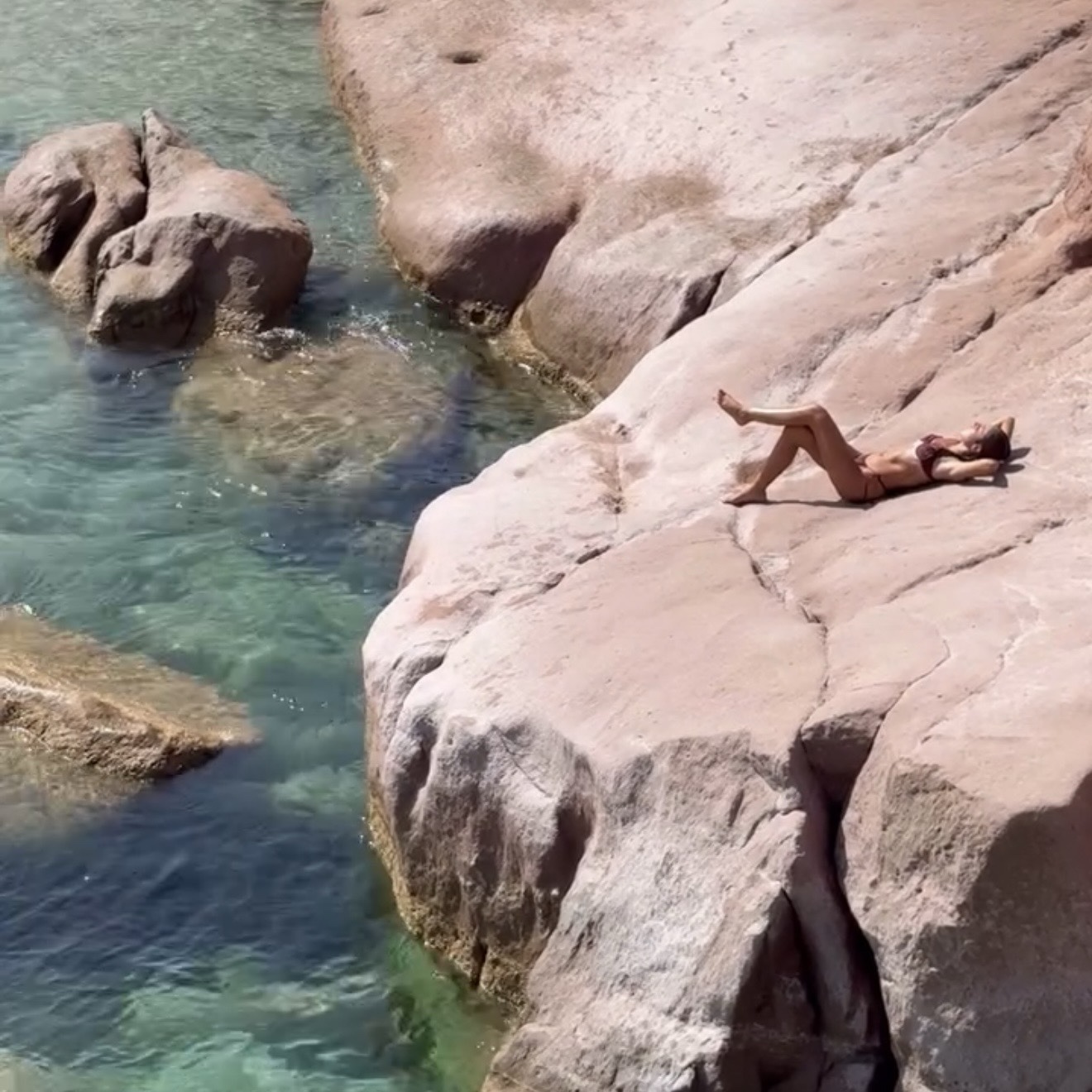
In Italia abbiamo un curioso rapporto con gli scogli. Nel resto del mondo sono soprattutto rocce. Da noi, appena arriva l’estate, diventano mobili.
Un masso abbastanza piatto è un lettino. Uno leggermente inclinato è una chaise longue. Due rocce vicine possono diventare un tavolino e una sedia. Una fessura serve per tenere la bottiglia d’acqua al fresco. Un asciugamano piegato quattro volte trasforma una pietra che geologicamente avrebbe tutte le caratteristiche per essere scomodissima nel posto migliore dove dormire dopo pranzo. E poi ci sono quelli che sugli scogli fanno praticamente tutto. Leggono. Mangiano. Prendono il sole. Giocano a carte. Si baciano. Dormono in posizioni che farebbero preoccupare un ortopedico. Mettono una radiolina, aprono un ombrellone in un buco che sembrava non poter contenere nemmeno una matita e, soprattutto, si tuffano. Perché lo scoglio italiano ha anche una seconda funzione fondamentale: è un trampolino.
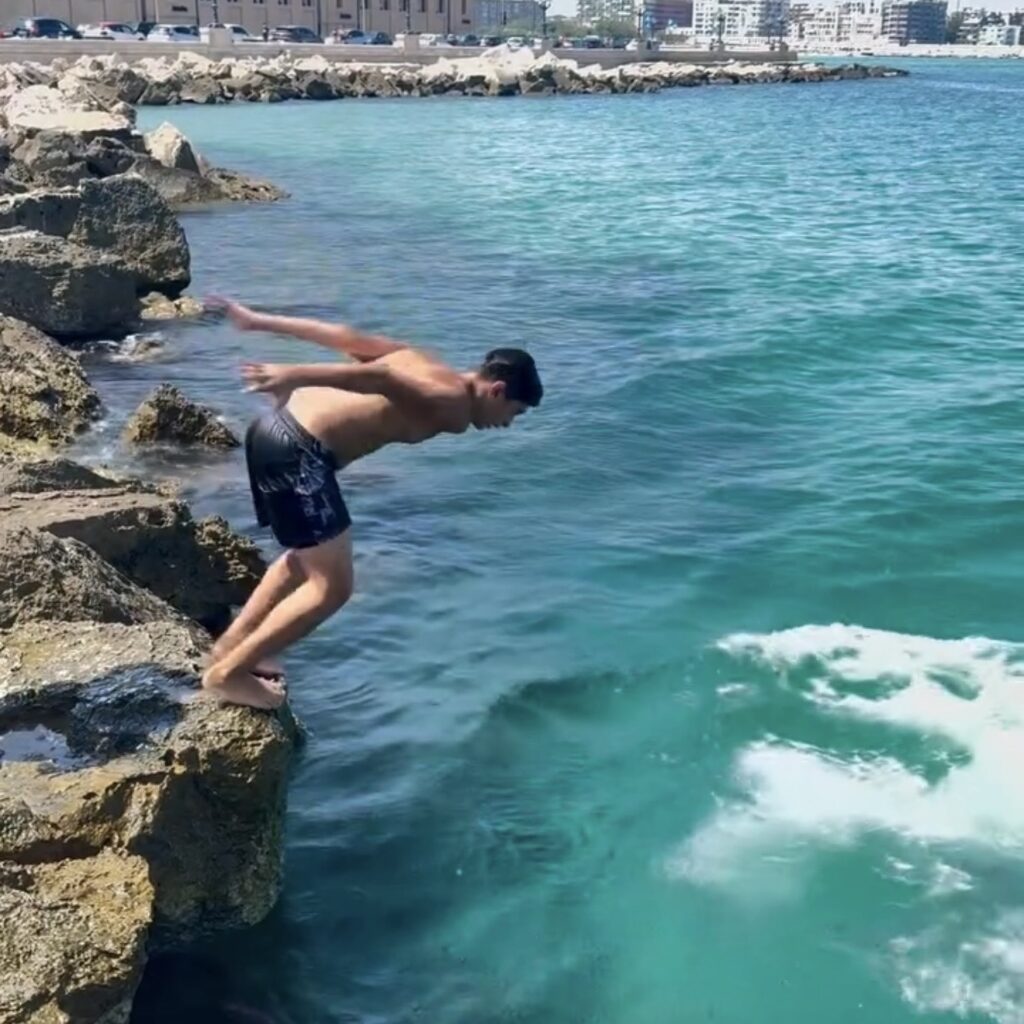
A Livorno questa cosa è diventata quasi una disciplina locale. I tuffi hanno nomi propri: siuski, shizzan, ovo, cammellone, militare. Si tramandano guardando quelli più grandi e, in alcuni casi, l’obiettivo non è entrare elegantemente in acqua ma sollevarne quanta più possibile. Un tuffatore livornese raccontava che per capire se il tuffo era riuscito, una volta riemerso, bisognava sentire le gocce ricadere sulla testa.
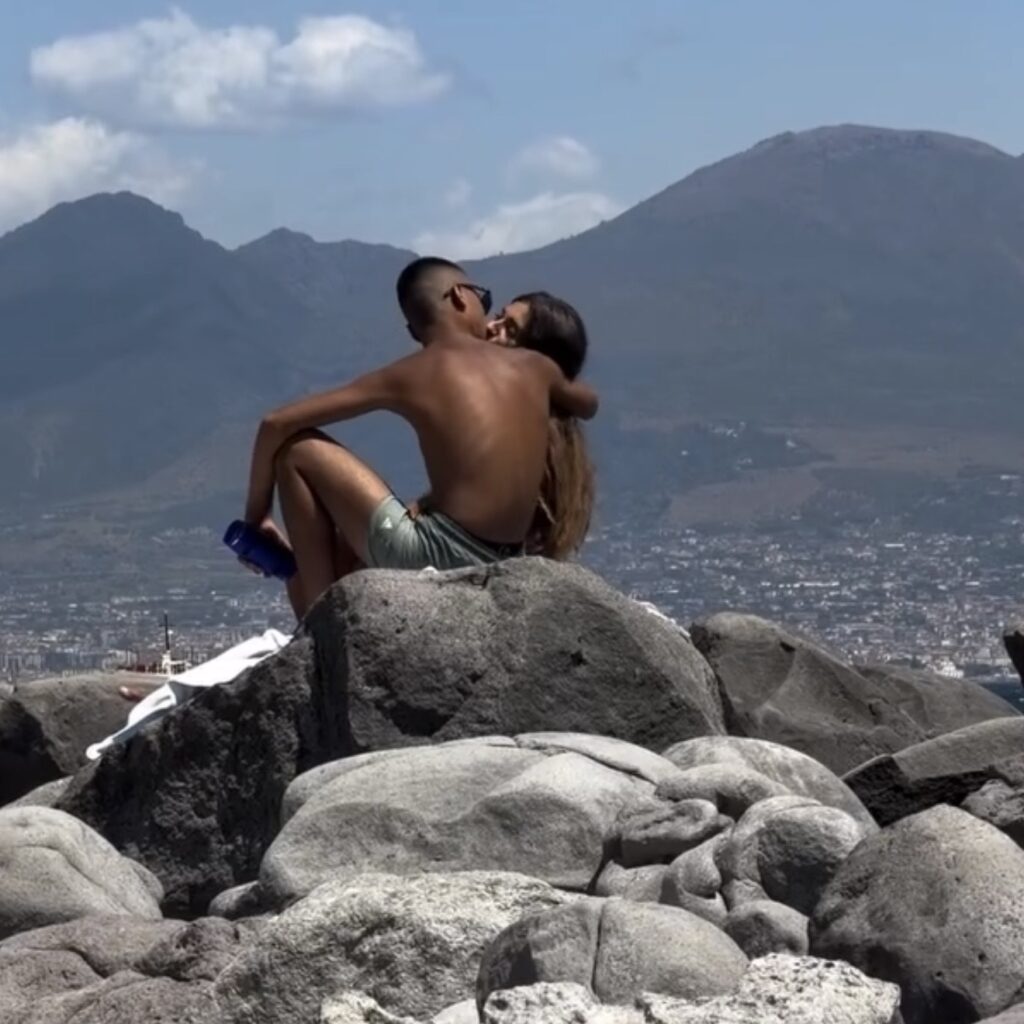
A Napoli esiste perfino il tuffo “a cufaniello”: ci si raccoglie in aria portando le ginocchia al petto, trasformandosi per qualche secondo in una specie di piccolo cofanetto umano prima di finire in mare. E poi c’è Marechiaro, dove esiste un posto che non si chiama spiaggia ma, significativamente, Scoglione. È una grande piattaforma naturale di tufo davanti a Posillipo. Per arrivarci ci si affida ancora ai barcaioli che portano i bagnanti dal borgo fino alla roccia. Una volta lì non c’è praticamente niente. Ed è esattamente questo il punto: un asciugamano, qualcosa da mangiare, il Vesuvio davanti e il mare sotto.
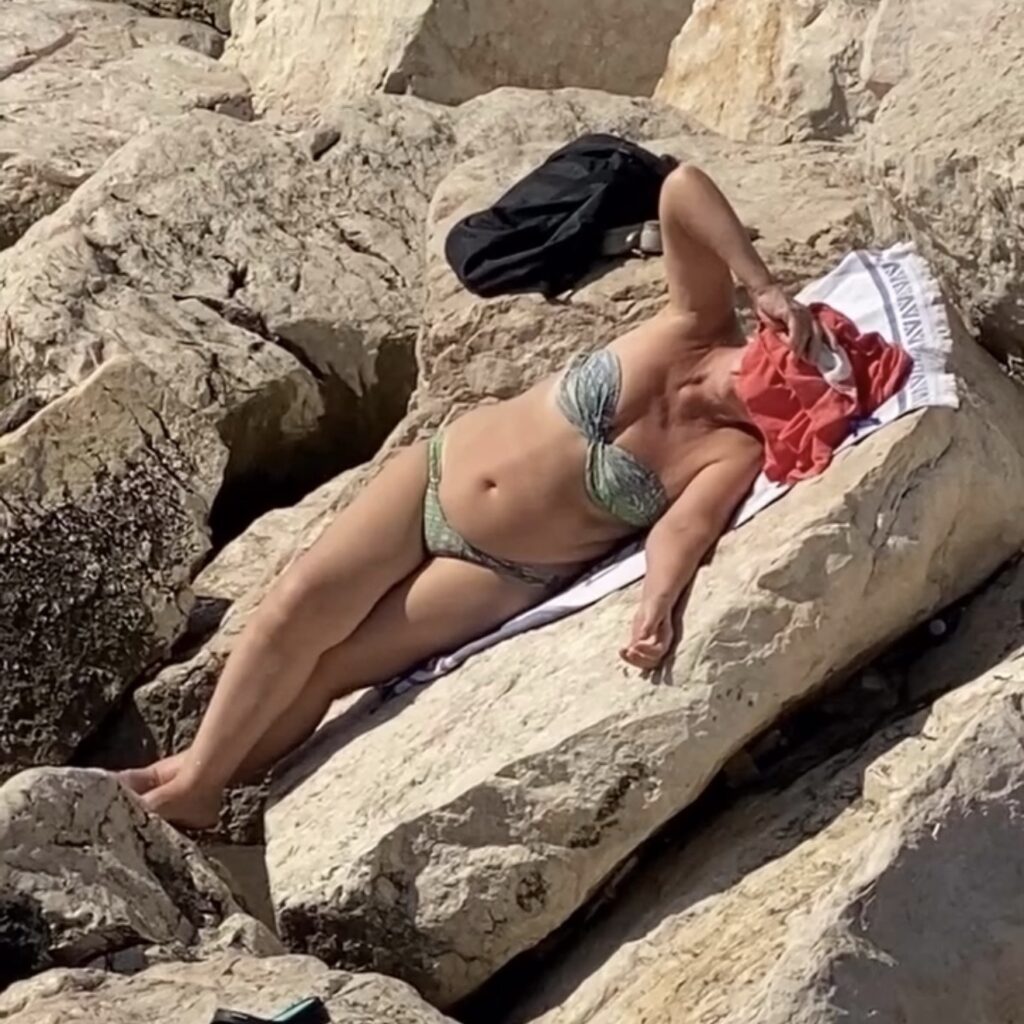
In fondo gli scogli sono forse la versione più elementare delle nostre spiagge. Non hanno cabine. Non hanno file ordinate di ombrelloni. Spesso non hanno nemmeno un punto davvero orizzontale. Bisogna conquistarli. Arrivare presto, individuare quello giusto, tastarlo con un piede, sistemare l’asciugamano e convincersi che quella protuberanza esattamente sotto la schiena dopo un po’ non si sentirà più. Eppure basta guardare certe coste italiane d’estate per vedere qualcosa di meraviglioso. Ogni roccia ha trovato il suo proprietario temporaneo.
C’è una ragazza che legge con i piedi nell’acqua. Una signora che prende il sole incastrata tra due massi. Due ragazzi che si baciano sopra un frangiflutti. Qualcuno che cerca per dieci minuti il punto dal quale tuffarsi e qualcuno che invece è lì da quarant’anni e sa esattamente dove mettere i piedi. Forse è questo che ci piace degli scogli. La sabbia prova ad adattarsi a noi. È morbida, si sposta, prende la forma del nostro corpo.
Lo scoglio no.
Lo scoglio era lì molto prima che arrivassimo e non ha nessuna intenzione di diventare più comodo per farci contenti. Siamo noi che impariamo a starci sopra. Ci mettiamo un asciugamano, troviamo una posizione impossibile, appoggiamo il libro accanto alle ciabatte, guardiamo il mare e dopo cinque minuti diciamo la frase che probabilmente gli italiani pronunciano sugli scogli da quando hanno inventato le vacanze: Sai che alla fine si sta benissimo?
#ig_italia
Foto x ig italia @_rgia
———-
In Italy, we have a curious relationship with rocks by the sea. In the rest of the world, they’re mostly just rocks. Here, as soon as summer arrives, they become furniture.
A rock that’s flat enough is a sunbed. One with a slight slope is a chaise longue. Two rocks next to each other can become a table and a chair. A crack is the perfect place to keep a bottle of water cool. And a towel folded four times can turn a stone that, geologically speaking, has every possible quality required to be extremely uncomfortable into the best place for an after-lunch nap. Then there are those who do practically everything on the rocks. They read. They eat. They sunbathe. They play cards. They kiss. They sleep in positions that would worry an orthopedist. They bring a little radio, somehow open a beach umbrella inside a hole that looked too small to hold even a pencil and, above all, they dive. Because the Italian seaside rock has another essential function: it’s a diving board.
In Livorno, this has almost become a local discipline. The dives even have their own names: siuski, shizzan, ovo, cammellone, militare. They’re passed down by watching the older kids and, in some cases, the goal isn’t to enter the water gracefully but to send as much of it flying into the air as possible. One diver from Livorno once explained that to know whether a dive had been successful, after resurfacing you had to feel the droplets of water falling back onto your head.
In Naples, there’s even a dive called “a cufaniello”: you curl up in mid-air, bringing your knees to your chest and turning yourself, for a few seconds, into a sort of little human box before hitting the sea. And then there’s Marechiaro, where there’s a place that isn’t called a beach but, quite significantly, Scoglione — literally, “the Big Rock.” It’s a large natural platform of tuff rock off Posillipo. To get there, people still rely on local boatmen who ferry swimmers from the village out to the rock. Once you’re there, there’s practically nothing. And that’s exactly the point: a towel, something to eat, Mount Vesuvius in front of you and the sea below.
In the end, rocks may be the most basic version of our beaches. There are no changing cabins. No orderly rows of beach umbrellas. Often, there isn’t even a truly horizontal surface. You have to conquer them. Arrive early, identify the right one, test it with your foot, spread out your towel and convince yourself that, after a while, you’ll stop noticing that lump of rock pressing directly into your back. And yet, all you have to do is look at certain stretches of the Italian coast in summer to see something wonderful. Every rock has found its temporary owner.
There’s a girl reading with her feet in the water. A woman sunbathing wedged between two boulders. Two young people kissing on a breakwater. Someone spending ten minutes searching for the perfect spot to dive from, and someone else who has been coming here for forty years and knows exactly where to put their feet. Maybe that’s what we like about rocks. Sand tries to adapt to us. It’s soft, it moves, it takes the shape of our bodies.
Rocks don’t.
The rock was there long before we arrived, and it has absolutely no intention of becoming more comfortable just to make us happy. We’re the ones who learn how to fit ourselves onto it. We spread out a towel, find an impossible position, put our book down next to our flip-flops, look out at the sea and, after five minutes, say the sentence Italians have probably been saying on seaside rocks ever since holidays were invented: “You know what? It’s actually really comfortable.”


Comments are closed.